

Quick Summary
- The breast is a unique symbol of femininity, reflecting youthfulness, confidence, and beauty.
- Breast augmentation surgery aims to improve a female’s image and self-confidence, and improve their psychosocial well being. Breast augmentation surgery enhances the breast volume, shape and projection and aims to reduce or eliminate existing asymmetry.
- The options for breast augmentation include the use of implants (saline or silicone), fat grafting, or a combination of these techniques (hybrid breast augmentation).
- Implants come in two primary shapes: round and anatomic (teardrop). The choice of shape, size and projection depends on the natural anatomy of each individual and aesthetic preference.
- Breast implants may be inserted through various different incisions: along the breast fold (inframammary fold), around the nipple (periareolar) and at the underarm (transaxillary)
- The implant may be placed above the muscle (subglandular / subfascial), beneath the muscle (submuscular), or a combination of both (dual-plane)
A Brief History On Silicone And Saline Implants
In 1962, American plastic surgeons Thomas Cronin and Frank Gerow developed the first silicone breast prosthesis in collaboration with Dow Corning, which marked the first breakthrough in breast implant augmentation. The implant consisted of a viscous silicone gel enclosed within a silicone elastomer shell and represented the first successful long-term breast prosthesis after decades of unsuccessful attempts at breast augmentation.
Shortly after, in 1964, the French company Laboratoires Arion introduced the saline breast implant. This could be inserted empty through a smaller incision and then filled with sterile saline solution to achieve its final size. Over the following decades, both silicone and saline implants underwent continuous refinement. Advances in implant technology also led to the development of anatomically shaped implants (“teardrop implants”), designed to mimic the natural contour of the breast. Silicone technology also advanced and the introduction of highly cohesive silicone gel (“gummy bear”) implants resulted in implants that had a more natural feel and appearance and avoided rippling that were seen in earlier generation saline implants.
Today, fourth- and fifth-generation silicone gel implants are the preferred choice for most breast augmentation procedures as they offer a more natural look and feel. Saline implants have thus been largely supplanted by silicone implants in many parts of the world.
What Is the Difference Between Silicone and Saline Implants?
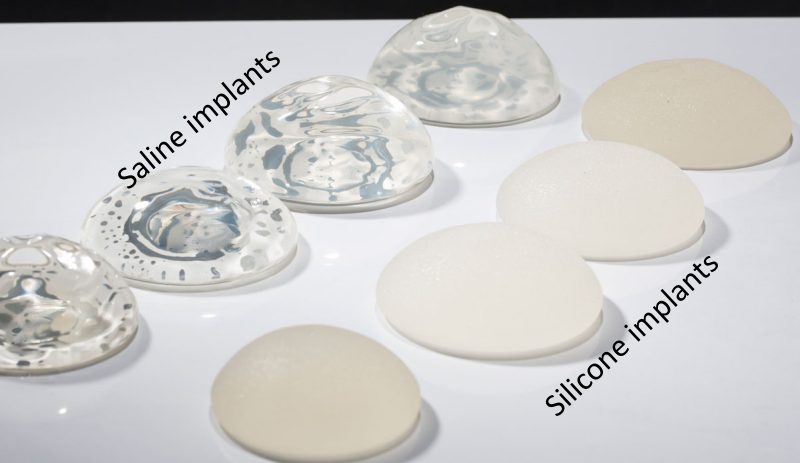
Both silicone and saline breast implants are manufactured with an outer silicone shell. “Silicone” and “saline” refers to the material used to fill the inside of the implant.
Silicone Implants
- Silicone implants are filled with a thick cohesive silicone gel
- Silicone implants have a higher fill ratio and deliver more projection and have a much lower incidence of a ripple-appearance than saline implants
- The current generation of silicone implants are highly cohesive and maintains its shape even if there is a break in the outer shell
Saline Implants
- Saline implants consist of a silicone shell filled with saline
- Earlier generations of silicone implants have a lower fill ratio which resulted in a higher risk of a rippled appearance of the upper pole of the breast
- In the event of an implant rupture, the body safely absorbs the saline solution
Do Silicone or Saline Implants Last Longer?
There are many factors influencing the longevity of the implant, which include:
- Insertion technique. The use of less traumatic insertion techniques is an important factor in implant longevity.
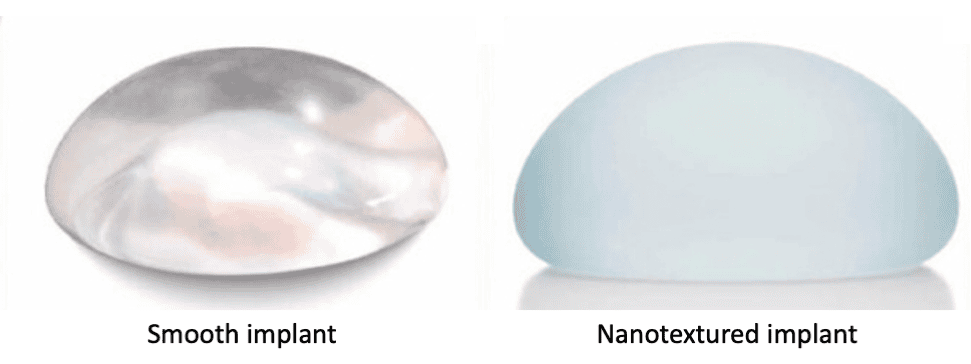
- Implant surface texture. Smooth-surface implants have a higher incidence of capsule formation and a higher incidence of revision surgery. The new generation of nanotextured/nanosmooth implants have intermediate-term data to demonstrate a lower risk of capsular contracture and low long-term revision rates.
- Asymptomatic rupture. Current generation highly-cohesive silicone implants retain their shape if there is a shell rupture, whereas saline implants invariably become deflated and lose their shape if there is a shell rupture. The annual risk of implant rupture is less than 1% per year regardless of whether silicone or saline implants are used.
- Primary vs secondary surgery. Patients in whom already have an existing capsular contracture of the implant undergoing an implant exchange have a higher lifetime risk of contracture recurrence as compared with the general population undergoing primary breast augmentation.
What Happens If My Implant Ruptures?
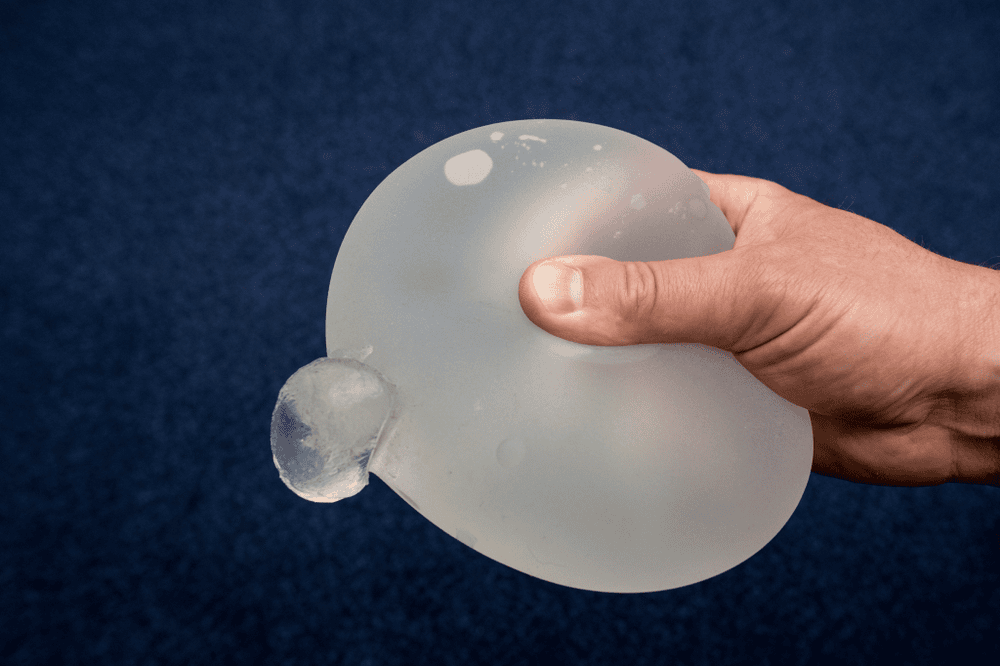
Silicone implants that rupture are often asymptomatic and may be detected on ultrasound or MRI scans. In such cases, the FDA and implant manufacturers recommend non-urgent implant exchange. Saline implant ruptures often present with sudden size change (initial inflation and eventual deflation) and change in the breast shape and position. Due to the asymmetry, individuals often seek urgent attention. The implant(s) can be exchanged or removed.
Which Implant Type Should I Choose?
The choice of the implant type is an interplay of your aesthetic goals, your inherent anatomy and the appropriate implant type to deliver the desired outcome. This requires a detailed consultation and assessment in the outpatient clinic. The majority of modern day breast augmentation utilizes silicone implants.
How Much Does Breast Augmentation Surgery Cost?
Breast augmentation surgery is a wide term that encompasses implant augmentation, fat grafting, or a combination of both. Significant factors affecting the cost include the implant type used, whether this is primary or revision surgery, and your inherent anatomy. The cost of fat grafting augmentation starts from SGD14,500 upwards, while implant augmentation typically starts from SGD20,000 upwards.
The Picasso Plastic Surgery Advantage
Successful breast augmentation requires a deep understanding of breast anatomy, the human aesthetic, implant characteristics, individualized surgical planning and precise execution. Our Singapore and European board-certified surgeons are experienced in breast augmentation and reconstructive surgery and have a deep understanding of cultural aesthetic norms spanning the West and the East. We pay meticulous attention to detail and deliver safe, natural, and bespoke outcomes. Our clinic has an en-suite operating room that promises maximal comfort and privacy, and permits scheduling flexibility. Our highly trained support staff are attentive and skilled, and will partner you through your entire journey to ensure that you attain your desired outcome.
Start Your Journey
Call us at +65 62624140 or send us an email at enquiries@picassops.com to schedule an appointment
References
Kaoutzanis C, Winocour J, Unger J, Gabriel A, Maxwell GP. The Evolution of Breast Implants. Semin Plast Surg 2019;33(4):217-223 doi.org/10.1055/s-0039-1696985.